Relocating to Marbella
Your comprehensive guide to making Marbella home. From visa requirements and international schools to healthcare and lifestyle, The Amor Group is here to help you navigate every step of your move to the Costa del Sol.
Why Marbella?
Marbella has long been one of Europe's most desirable destinations for relocation, and it is easy to see why. Situated on the southern coast of Spain along the glittering Costa del Sol, Marbella enjoys over 320 days of sunshine each year, with mild winters that rarely drop below 10 degrees Celsius and warm, dry summers perfect for outdoor living.
The city is home to one of the most vibrant international communities in Europe. Residents from the United Kingdom, Scandinavia, Germany, France, the Middle East, and beyond have established thriving communities here, creating a cosmopolitan atmosphere that makes newcomers feel welcome from day one. English is widely spoken in shops, restaurants, and professional services throughout the area.
Connectivity is another major advantage. Malaga-Costa del Sol Airport is just 45 minutes from Marbella and offers direct flights to over 130 destinations across Europe, the Middle East, and North America. The AVE high-speed rail link connects Malaga to Madrid in under two and a half hours, and the planned extension of the coastal rail network will further enhance local transport links in the coming years.
Quality of life in Marbella is exceptional. From world-class golf courses and beach clubs to Michelin-starred restaurants and a thriving cultural scene, the area offers an unparalleled lifestyle that balances relaxation with sophistication.
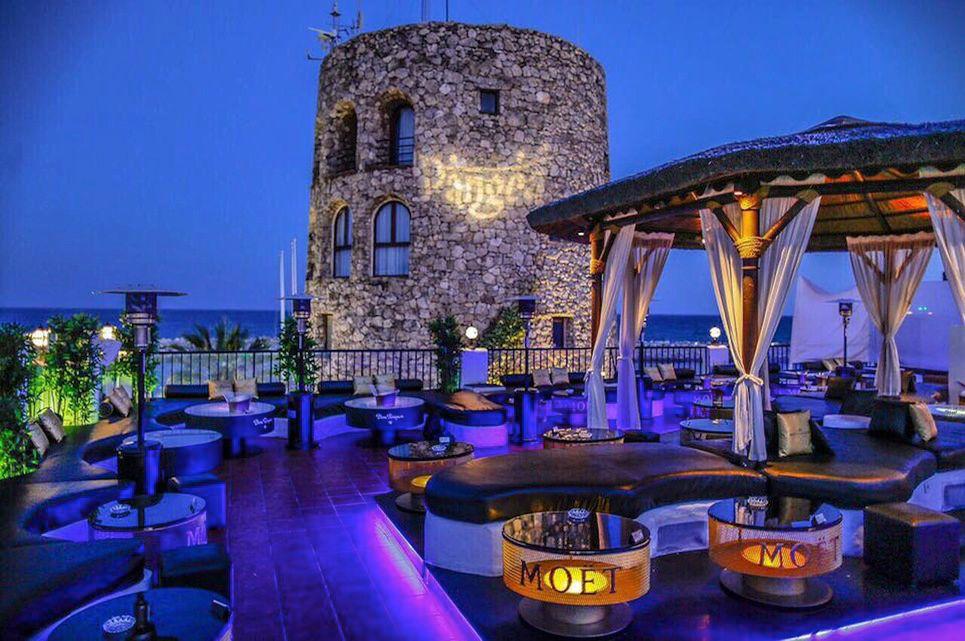
320+ Days of Sunshine Await
A vibrant international community, world-class amenities, and a Mediterranean lifestyle that makes every day feel like a holiday.
International Schools
For families relocating with children, Marbella and the wider Costa del Sol offer an outstanding selection of international schools catering to virtually every curriculum and language preference. Education is often one of the top priorities for relocating families, and the region does not disappoint.
Aloha College is one of the most established international schools in the area, offering the International Baccalaureate (IB) programme from nursery through to sixth form. Located in Nueva Andalucia, it has a strong reputation for academic excellence and a truly international student body representing over 50 nationalities.
Swans International School follows the British National Curriculum and is known for its nurturing environment and strong pastoral care. With campuses in Marbella and Sierra Blanca, Swans provides education from early years through to A-Levels.
Laude San Pedro International College offers a bilingual Spanish-English education with the option to follow either the Spanish or British curriculum. This is an excellent choice for families who want their children to become fully fluent in both languages.
The English International College (EIC) in Elviria delivers the British curriculum and is particularly well regarded for its sixth form programme and university preparation.
Beyond these, the region is also home to German, Swedish, Finnish, and French schools, as well as several excellent Spanish public and semi-private (concertado) schools that offer bilingual programmes. Many families find that their children adapt quickly and thrive in the multicultural school environment that Marbella provides.
Healthcare
Spain consistently ranks among the top countries in the world for healthcare quality, and the Costa del Sol is particularly well served. Whether you opt for the public or private system, you can expect a high standard of medical care.
The Hospital Costa del Sol in Marbella is a modern, fully equipped public hospital that serves the local population and handles everything from routine consultations to complex surgical procedures. Public healthcare in Spain is available to residents who are registered with the Social Security system, including employed and self-employed workers.
For those who prefer the private route, Marbella has several excellent private hospitals and clinics, including Hospital Quironsalud Marbella and the HC Marbella International Hospital, both of which have English-speaking staff and offer rapid access to specialists. Private health insurance in Spain is remarkably affordable compared to other European countries, with comprehensive plans typically costing between 50 and 150 euros per month depending on age and coverage level.
Pharmacies (farmacias) are found throughout Marbella and can dispense many medications that would require a prescription in other countries. Pharmacists in Spain are highly trained and can provide advice on minor health issues. A rota system ensures that at least one pharmacy in each area is open 24 hours a day, seven days a week.

Your Path to Spanish Residency
From EU registration to Golden Visas and digital nomad permits - multiple pathways to call Marbella home.
Visa & Residency Options
Your pathway to residency in Spain depends on your nationality and circumstances. Here are the most common routes for those relocating to Marbella:
EU/EEA Citizens
Citizens of EU and EEA member states have the right to live and work in Spain freely. If you plan to stay for more than three months, you must register on the Registro Central de Extranjeros and obtain a green residency certificate (certificado de registro). The process is straightforward and can typically be completed in a single appointment at the local foreigners office.
Non-Lucrative Visa
The non-lucrative visa is designed for non-EU citizens who wish to reside in Spain without working. Applicants must demonstrate sufficient financial means to support themselves (currently around 28,800 euros per year for the main applicant) and hold comprehensive health insurance. This visa is initially granted for one year and can be renewed.
Digital Nomad Visa
Introduced in 2023, Spain's digital nomad visa allows remote workers employed by companies outside Spain to live and work in the country. Applicants must demonstrate a minimum income and show that no more than 20 percent of their work is for Spanish clients. This visa has become extremely popular among tech professionals and freelancers.
Golden Visa
Spain's Golden Visa programme grants residency to non-EU nationals who make a significant investment in the country. The most common route is through real estate investment of 500,000 euros or more. The Golden Visa provides residency rights for the investor and their family, with no requirement to live in Spain full-time. Note that programme terms are subject to legislative changes, so it is important to consult with a qualified immigration lawyer for the most current requirements.
NIE Number
Regardless of your visa type, you will need a NIE (Numero de Identidad de Extranjero), which is your foreigner identification number. This is essential for virtually every administrative and financial transaction in Spain, from opening a bank account to signing a rental contract or purchasing property.
Cost of Living
One of the most compelling reasons to relocate to Marbella is the favourable cost of living compared to other major European cities. While Marbella is one of Spain's more upmarket destinations, it still offers exceptional value compared to London, Paris, Zurich, or the French Riviera.
- Housing: Rental prices vary widely. A quality two-bedroom apartment in the centre of Marbella typically ranges from 1,200 to 2,500 euros per month. Luxury villas and beachfront properties command higher rents, while inland areas offer more affordable options.
- Groceries: A weekly shop for a family of four at a supermarket such as Mercadona or Lidl costs approximately 80 to 120 euros. Local markets offer fresh produce, fish, and meats at competitive prices.
- Dining: A three-course meal for two at a mid-range restaurant costs between 50 and 80 euros including wine. The daily menu del dia at local restaurants offers excellent value at 10 to 15 euros per person.
- Utilities: Monthly utilities (electricity, water, gas, internet) for a standard apartment average between 150 and 250 euros.
- Transport: Petrol is cheaper than in Northern Europe, and the cost of car ownership is reasonable. Public transport options include regular bus services connecting Marbella to Malaga and neighbouring towns.
Overall, a comfortable lifestyle in Marbella can be maintained for 30 to 40 percent less than in cities like London or Amsterdam, while enjoying a significantly higher quality of life in terms of climate, space, and leisure.

A Lifestyle Beyond Compare
World-class golf, Michelin-starred dining, vibrant beach clubs, and a welcoming expat community - life in Marbella is anything but ordinary.
Lifestyle & Community
Life in Marbella revolves around the outdoors. The Mediterranean climate means you can enjoy alfresco dining, beach days, and outdoor sports for the vast majority of the year. The lifestyle here is one of the primary reasons so many people choose to make Marbella their permanent home.
Golf is a major draw, with over 70 courses within a 45-minute drive of Marbella, including world-renowned venues like Valderrama, Real Club de Golf Las Brisas, and Aloha Golf Club. The area is often referred to as the "Costa del Golf" for good reason.
Watersports and tennis are equally popular. Puerto Banus and other marinas offer sailing, paddle boarding, jet skiing, and diving. The Manolo Santana Racquets Club and numerous other facilities provide excellent tennis and padel courts, with padel being Spain's fastest-growing sport.
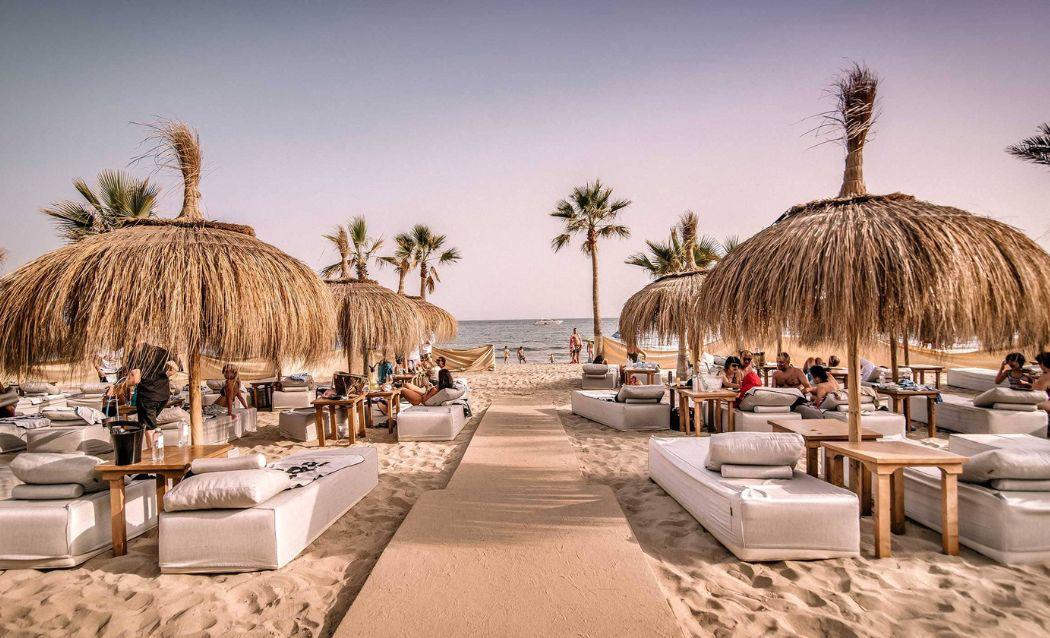
Dining and nightlife in Marbella are world class. From Michelin-starred restaurants such as Skina and El Lago to vibrant beach clubs like Nikki Beach and Ocean Club, the culinary and social scene caters to every taste. Marbella's Old Town offers charming tapas bars and boutique restaurants set among cobbled streets and whitewashed buildings.
Expat communities are well established and incredibly welcoming. Numerous social clubs, networking groups, and charitable organisations provide opportunities to meet like-minded people. Whether you are interested in hiking groups, book clubs, business networking, or cultural associations, you will find a ready-made community waiting for you.
Practical Steps for Your Move
Relocating to a new country involves many administrative tasks. Here is a checklist of the essential steps to help ensure a smooth transition to life in Marbella:
- Obtain your visa or residency permit -- Begin the application process as early as possible. Consult with an immigration lawyer to determine the best visa route for your situation.
- Get your NIE number -- Apply for your foreigner identification number, which is required for all official transactions in Spain.
- Open a Spanish bank account -- Most banks require your NIE, passport, and proof of address. Popular banks for expats include Sabadell, CaixaBank, and Santander.
- Register on the padron -- Visit your local town hall (ayuntamiento) to register on the municipal census. This is a legal requirement and is needed to access public services.
- Arrange health insurance -- Register with the public healthcare system if eligible, or take out private health insurance.
- Register with a local doctor -- Once you have health coverage, register at your nearest Centro de Salud (health centre) to be assigned a family doctor.
- Sort out your driving licence -- EU licences are valid in Spain. Non-EU licence holders may need to exchange their licence or take the Spanish driving test, depending on their country of origin.
- Set up utilities and internet -- Arrange electricity, water, and internet connections for your new home. Major providers include Endesa, Iberdrola, and Movistar.
- Enrol children in school -- Research and apply to your chosen school well in advance, particularly for September intake. Many international schools have waiting lists.
- Understand your tax obligations -- If you spend more than 183 days per year in Spain, you become a tax resident. Consult with a fiscal advisor (asesor fiscal) to understand your obligations and any applicable tax treaties with your home country.
Frequently Asked Questions
While speaking Spanish is beneficial and enriches daily life, it is not strictly necessary. Marbella has a large international community, and many businesses, medical professionals, and service providers speak English fluently. Schools offer bilingual programmes, and local government offices often have multilingual staff. However, learning basic Spanish is highly recommended for navigating administrative tasks and integrating into the local culture.
Processing times vary by visa type. EU citizens can register as residents relatively quickly, often within a few weeks. Non-EU citizens applying for a non-lucrative visa or digital nomad visa should expect the process to take between one and three months from the date of application. The Golden Visa programme can take two to three months for approval. It is advisable to begin the process well in advance of your planned move and to work with a qualified immigration lawyer.
Marbella offers a significantly lower cost of living than London or Paris while maintaining a high quality of life. On average, living costs in Marbella are 30 to 40 percent lower than in London. Dining out is considerably more affordable, with a quality three-course meal for two costing between 50 and 80 euros. Groceries, utilities, and transport are also notably cheaper, while housing costs vary widely depending on location and property type.
Yes, Marbella and the surrounding Costa del Sol area are home to a wide range of excellent international schools. Aloha College offers the International Baccalaureate programme, Swans International School follows the British curriculum, and Laude San Pedro provides bilingual education. The English International College and numerous other institutions cater to families from around the world, offering curricula in English, German, Swedish, and other languages.
EU citizens with a European Health Insurance Card (EHIC) or S1 form can access Spanish public healthcare. Non-EU residents who are registered with Social Security through employment also qualify. Many expats choose to supplement public healthcare with private insurance, which offers shorter waiting times and English-speaking practitioners. Private health insurance in Spain is very affordable compared to many other European countries, typically costing between 50 and 150 euros per month.
Ready to Make the Move?
Relocating to Marbella is one of the best decisions you can make for your lifestyle, your family, and your future. The Amor Group is here to guide you through every step, from finding the perfect property to settling into your new life on the Costa del Sol.
SPEAK WITH A RELOCATION ADVISOR